Table Of Content
If it only requires web content but not print, be sure to include those types of details so everyone is on the same page and there’s no uncertainty or wasted effort. Now that we’ve seen how an effective design brief should look, here's how to create one in nine easy steps. With UXPin, designers can build fully interactive prototypes indistinguishable from the final product. They can even connect APIs and use live data to demonstrate the end result accurately.
Design brief examples and templates
Eniola Olaniyi is a Content Writer at UXtweak, where she focuses on creating informative and engaging content related to user experience and design. When she's not working, Eniola enjoys reading articles and case studies on UX design and exploring new ways to enhance her writing skills. Think of your project’s timeline and budget in a design brief as planning an awesome road trip. You gotta know when to hit the road, the cool spots you’ll pass by, and when you’re gonna roll into town. This roadmap gives designers a clear path to follow and lets clients get their hopes up at just the right time. And remember, budgeting isn’t only about paying for designer work – it’s also got room for those unexpected hiccups life throws our way.
Design, Climate Action - helping clients set sustainable briefs - Design Week
Design, Climate Action - helping clients set sustainable briefs.
Posted: Thu, 20 Jan 2022 08:00:00 GMT [source]
Teamwork
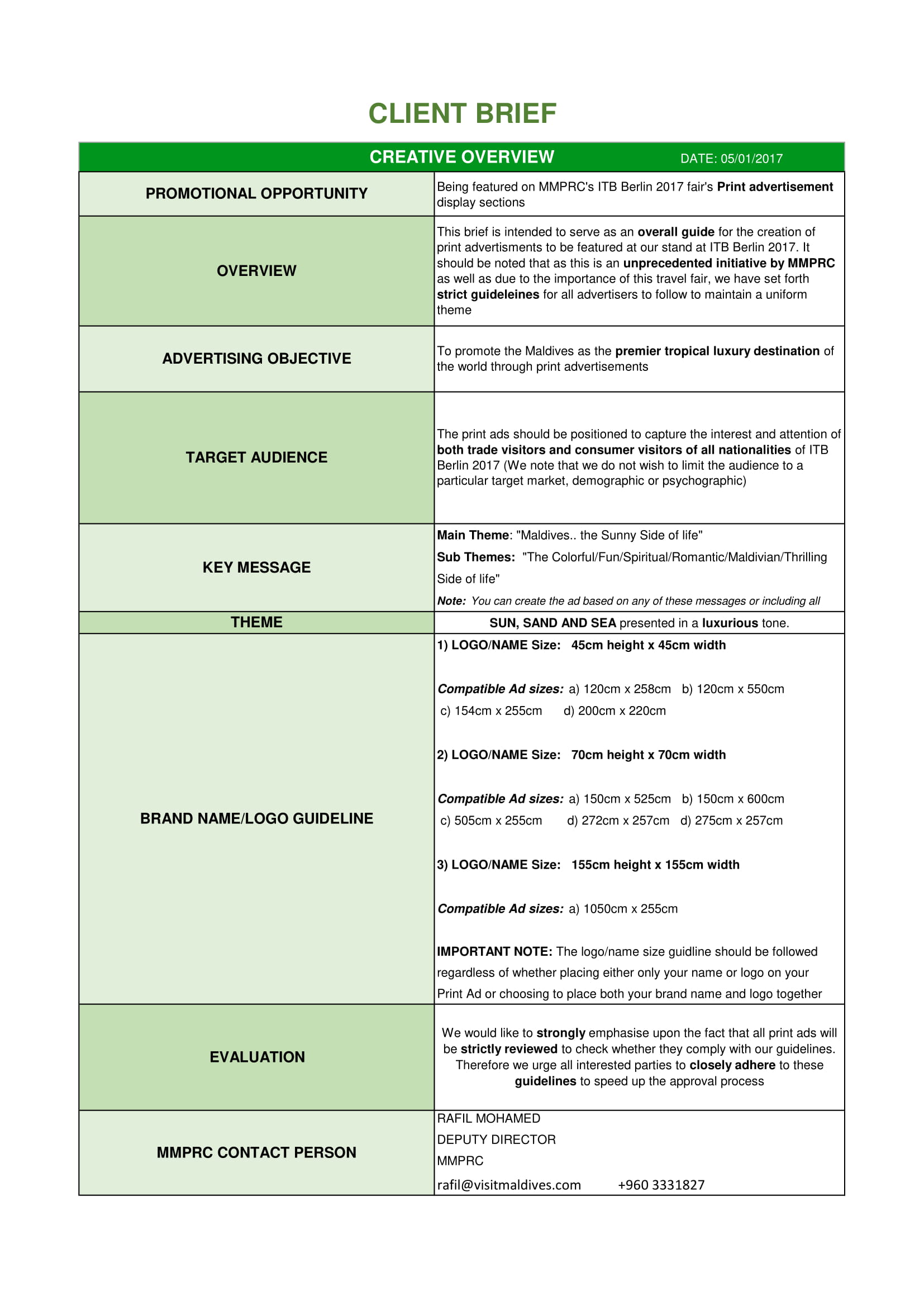
We’ve all been there – stuck in gridlock traffic because we didn’t check our map app for any hold-ups ahead. One of the most important steps of any good design brief is to write out an agreed upon project budget and timeline. Many clients that aren’t designers might not realize how long each stage will take, so it’s smart to have a rough estimate for them to refer back to. The simple template above gathers information about the company, the problem to solve, the client's product, the budget and timeline, and the desired deliverables. However, let's not forget that designing products is a complex and sometimes long-lasting process. Generally speaking, a brief is a document with a list of questions regarding implementing a specific task.
Resilient water infrastructure design brief - World - ReliefWeb
Resilient water infrastructure design brief - World.
Posted: Thu, 07 Jan 2021 08:00:00 GMT [source]
How to get and incorporate design feedback effectively
Both parties must agree on the budget from the start, as the budget dictates the work that will be done. In the brief, it’s important to give a breakdown of the budget for each service provided. Consider asking for feedback from all stakeholders involved in the project prior to finalizing the timelines, so everyone is comfortable with your proposal. Do your best to be as specific as possible when defining the project goals and objectives. The success of the project will be assessed based on whether the goals have been met or not, so the more specific you can be, the better. Most importantly, project goals must be measurable using a baseline and KPIs and have a deadline.
Why Should You Hire A Freelance Website Designer For Your Startup?
Determining the goals and objectives of your design project helps with direction and focus. User testing and client/stakeholder feedback are crucial for delivering design projects. Designers use this feedback to iterate and improve design ideas to deliver great user experiences. Getting all the design files, prototypes, and research for future design projects is also crucial because they could save valuable time and resources. Create a shared folder where designers can dump these assets for future reference.
However, the company’s research shows there’s a significant market for business owners and freelancers who aren’t in front of screens during their workday. Clearly define the client’s timetable and budget, including any details that are relevant to either one, such as potential launch dates or setbacks. Define and clarify the client’s objectives, both to demonstrate your understanding to the client and to establish a direction for the design once work begins. For more details on the app’s features and functionalities, visit our Digital Whiteboard section.
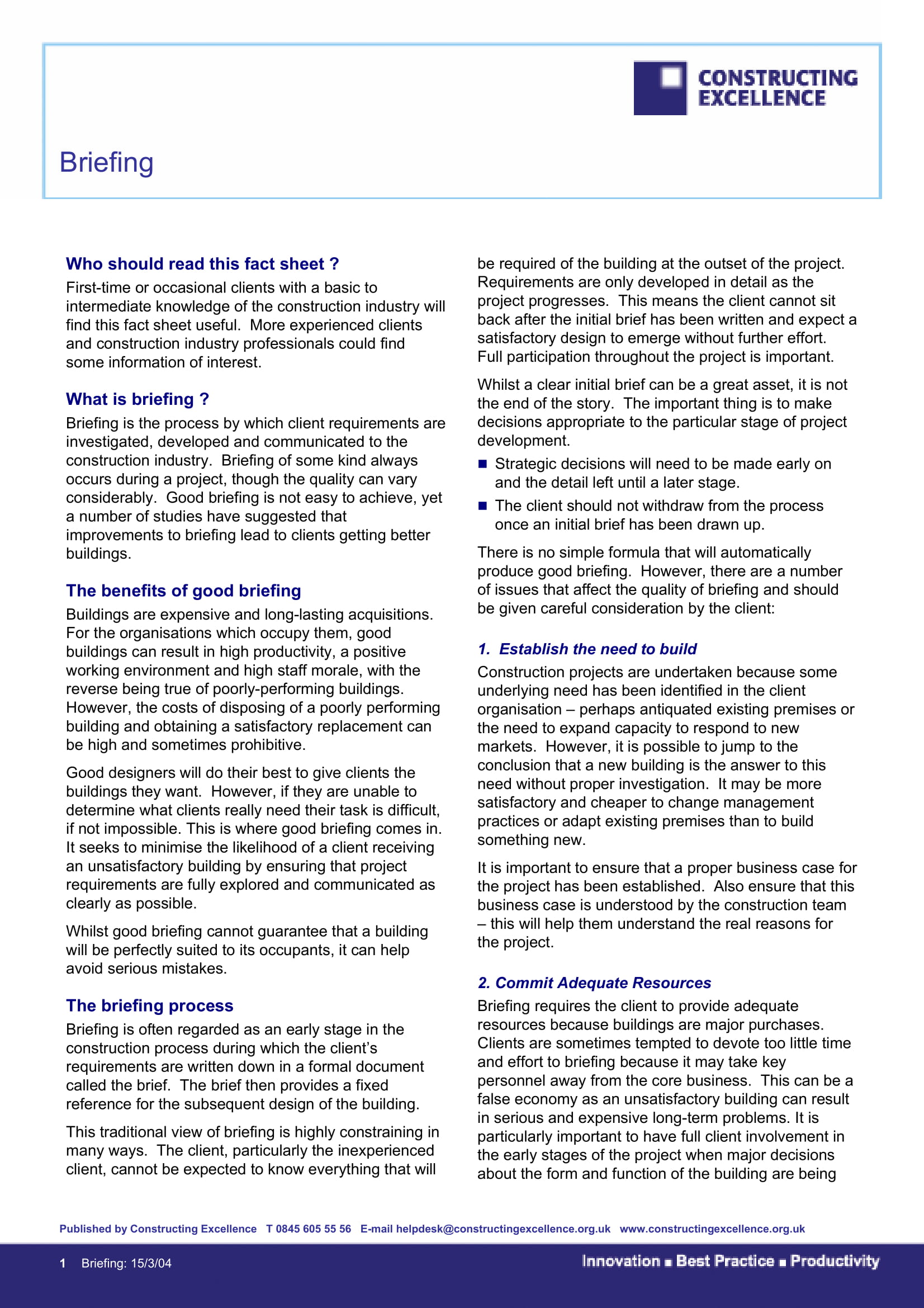
The following templates contain the main points you should discuss with your designer before starting the design process. When writing about your target audience, don't forget to mention your users' age, education, occupation, income, etc. Explain to the designer who these people are, what issues they want to solve, and how they are expected to interact with your product. This is the part where you’ll outline the specific deliverables you’re looking to get. Being clear about the acceptance criteria will also help align your expectations in regards to the format of the delivered work, its structure, and a host of other parameters. It’s worth taking the time to think this part through very carefully in order to avoid further conflicts and misunderstandings.
During the call, the client shares their vision for the product, goals and objectives, ideas about design, details about the existing stage, and desired outcomes. Maks has a trained ear, so he listens carefully and picks up the most important details that he professionally translates into design requirements for our team. A creative brief serves as the inspiration and guide to a body of work that typically involves team collaboration between designers, copywriters, content marketing, and other departments.
How to Write a Design Brief in 8 Steps with Templates and Examples
It’s essential to know when your work starts, what milestones need hitting along the way, and when you expect to complete your project. With a signed-off brief, we can focus on what really matters – creating great work. In fact, they make a compelling case for the importance of design briefs in maintaining order and fostering productivity. When you’re knee-deep in design work—whether it’s graphics, web or motion—it’s simple to lose track of your core objective.
When you understand what makes you different, you can create new, unique work and stand out from the competition. From there, consider including relevant details about the audience, such as the types of stores they shops at or movies they like. You may also want to describe their familiarity with similar tools or products, or where they are most likely to interact with your content. For example, if the project involves creating illustrations or photographs for a campaign, describe this in the design brief.
A well-articulated mood board based on current branding provides not just color palettes but also communicates styles, themes or emotions tied closely with how customers perceive the brand. This seal of approval from both sides aligns expectations with reality by ensuring everyone is reading from the same page (literally.). This way we can avoid miscommunications which might lead to time-consuming revisions later down the line.
Think about these questions before you start writing your UX design brief. This will help you develop ideas for what makes your product unique and why users should care. The next step in writing a UX design brief is to discuss who the design is targeted at and who its competitors are. Additionally you learn how they interact with their devices, and why they need them.
A design brief is a type of creative brief, which typically encompasses all the possible elements of a creative project. The exact format needs to be defined by your own internal design workflow. Most importantly, a well-crafted brief should help you make sure that there is full agreement among the stakeholders on project deliverables, budget, and schedule. Imagine you’re going on an epic road trip—you wouldn’t just jump in the car with no idea how long it’ll take to get there, right?




No comments:
Post a Comment